Dance Music Is 2026’s Fastest-Growing Genre
By SoundStash · 2026-07-30 · 5 min read
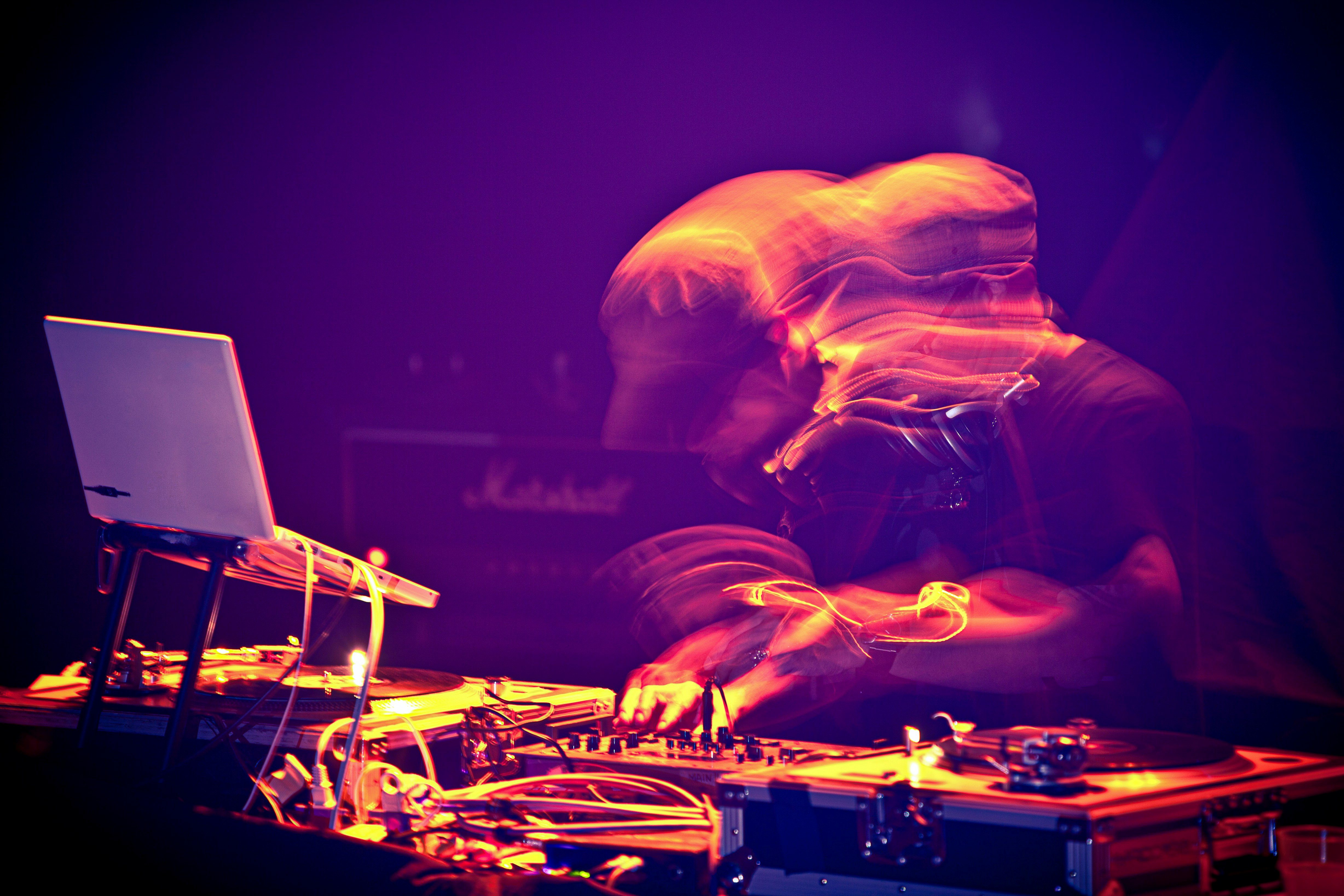
Dance music is no longer just having a good year — it is setting the pace for the entire music business. According to Luminate’s 2026 Midyear Report, dance/electronic posted the strongest year-over-year growth of any genre in the first half of the year, gaining share while bigger categories like R&B/hip-hop continue to lead in total volume.
The most interesting part is how this growth is happening. This is not simply a replay of the early-2010s EDM boom, even if nostalgia for that era remains powerful. New releases, younger artists, viral edits, festival-ready singles and constant touring are pushing electronic music into a fresh commercial cycle.
For DJs, producers, labels and playlist curators, the message is clear: dance music is becoming one of the most competitive and opportunity-rich spaces in 2026. The artists who understand both the club and the algorithm are the ones best positioned to break through.
Why Dance/Electronic Is Outpacing Every Genre
Luminate’s midyear data points to dance/electronic as the fastest-growing genre in the US so far in 2026. While hip-hop and R&B still dominate overall listening, electronic music is expanding at a faster rate, which matters because market share growth often signals where labels, promoters and streaming platforms will place their next bets.
That growth is being driven by a mix of accessible dance-pop, high-energy festival records, melodic house, techno crossovers and trance-influenced releases. The genre is benefiting from its flexibility: a track can live in a gym playlist, a TikTok edit, a festival mainstage set and a late-night club room without feeling out of place.
Streaming has also changed the way dance records develop. Instead of relying only on radio or club tastemakers, a song can build through DJ support, short-form video, playlist adds and fan-made edits at the same time. That multi-lane discovery system gives electronic music a major advantage in 2026.
This Is Bigger Than EDM Nostalgia
There is no denying the emotional pull of the classic EDM era. Fans still share Tomorrowland 2012 memories, revisit festival anthems and celebrate the euphoric sound that defined a generation of mainstage dance music. That nostalgia gives the scene cultural depth, but it is not the whole story.
The current wave feels more dynamic because new music is doing real work. Contemporary producers are blending house, techno, trance, pop, UK garage, amapiano-adjacent rhythms and hyper-polished vocal hooks. Instead of simply imitating the past, many artists are using familiar festival energy as a foundation for more global and streaming-native sounds.
That distinction is important. A nostalgia cycle can generate short-term spikes, but a new-release-driven surge suggests a healthier ecosystem. If listeners are actively seeking current electronic tracks rather than only revisiting old hits, the genre has room to keep growing.
New Artists Are Winning With Personality and Pace
One reason dance music feels so alive right now is that newer artists are not waiting for traditional gatekeepers. They are releasing frequently, documenting the process, testing IDs live, turning fan reactions into content and building communities around their sound before a major label even enters the picture.
DJ Artin’s new single “Free Summers” with Clarsy Mae is a useful snapshot of where the scene is heading. The track sits in an uplifting house-pop lane, but the bigger story is Artin’s artist identity: he has built momentum through European club dates, personal storytelling and his Blind DJ Moments project, showing that connection can matter as much as spectacle.
That kind of narrative cuts through in a crowded market. In 2026, audiences are not only asking whether a record bangs — they want to know who made it, why it exists and how it fits into an artist’s world. Dance music has always been communal, and the artists who make that feeling visible are gaining an edge.
What Independent Producers Should Learn From the Surge
For independent producers, the takeaway is not simply “make dance music because it is growing.” The smarter lesson is to release with consistency and purpose. A single record can travel widely, but momentum usually comes from a sequence of releases, DJ support, short-form content, playlist pitching and live performance clips that all reinforce the same identity.
Producers should also think beyond the drop. The most playlist-friendly dance records often have strong vocal moments, memorable intros, clean low-end and arrangements that work both in full-length DJ sets and shorter social clips. A track does not need to be watered down, but it does need multiple entry points for different kinds of listeners.
The genre’s growth also raises the bar. More attention means more competition, so mix quality, branding and release timing matter. Independent artists who treat every release like part of a campaign — not just a file upload — are more likely to benefit from the current wave.
What This Means for Festivals, Clubs and Playlists
The live side of the business could be one of the biggest beneficiaries. If electronic music continues to gain share, festivals will have even more incentive to book deeper dance lineups, not just a handful of crossover headliners. That could mean more room for trance, hard techno, Afro-house, melodic house and bass music on major bills.
Clubs may also see renewed demand from younger fans discovering dance music online first and wanting to experience it physically. The challenge will be converting streaming attention into real community: better local lineups, safer dancefloors, stronger resident DJs and events that feel distinct from generic nightlife.
For playlist curators, the opportunity is huge but the competition is intense. Listeners are hungry for fresh electronic music, but they are also quick to skip anything that feels anonymous. The best playlists in 2026 will balance proven names with emerging producers who bring a clear mood, story or scene connection.
Recommended Gear & Products
See the full gear guideAffiliate links — we may earn a small commission at no extra cost to you.
- Pioneer DJ DDJ-FLX4Beginners · £249
- Pioneer DJ HDJ-X7Club booths · £139
- KRK Rokit RP5 G4Bedroom studios · £179 each
- SanDisk Ultra Fit 128GB USB 3.2CDJ / XDJ exports · £16
Buying guides: DJ controllers compared · DJ headphones compared