Dance Music Trends: Fast Club Sounds Rule
By SoundStash · 2026-07-17 · 5 min read
With no single blockbuster release dominating the electronic music conversation today, the bigger story is the shift happening across dance floors: club music is getting faster, brighter and more physically direct. The mood is less about polished streaming perfection and more about tracks that create an immediate reaction in the room.
Across DJ sets, festival lineups and underground playlists, producers are pulling from trance, UK garage, hardgroove techno, breaks, electro and Afro-house without treating genre borders as fixed rules. The result is a dance music landscape that feels nostalgic on the surface but surprisingly modern in its energy.
For artists, DJs and fans, this moment matters because it changes what works: shorter arrangements, bold drums, memorable vocal chops and high-impact transitions are becoming just as important as traditional songwriting or long-form club builds.
Faster Tempos Are Back in the Main Room
One of the clearest current dance music trends is the return of speed. After years in which mid-tempo house, melodic techno and restrained festival drops had a strong grip on the market, many sets are now pushing into the 135-160 BPM range. That does not mean every room sounds like peak-time hard techno, but it does mean DJs are more willing to raise the pulse.
The appeal is obvious: faster tempos create instant movement. They also make older rave references feel fresh to a younger crowd discovering trance, hard house, donk-adjacent edits and early-2000s club tools through short-form video and high-energy DJ clips. In practical terms, the best new tracks in this lane are not just fast; they are cleanly mixed, hook-heavy and designed for rapid set-building.
UK Garage and Breaks Keep Crossing Over
UK garage has moved beyond retro revival status. Its swung drums, chopped vocals and elastic basslines are now part of the wider club vocabulary, appearing in pop-leaning dance records, underground edits and hybrid DJ sets. What makes UKG so durable is its flexibility: it can be sweet, soulful, heavy, minimal or festival-sized without losing its rhythmic identity.
Breaks are following a similar path. Producers are using breakbeats to add human feel and momentum to tracks that might otherwise sit in straight four-four territory. For listeners raised on algorithmic smoothness, the shuffle and imperfection of broken rhythm feels exciting. For DJs, it offers a valuable tool: a way to reset the room without killing energy.
Trance Hooks Are Replacing Minimal Cool
The return of trance influence is not simply about copying the late 1990s. Today’s trance-inspired records often strip the genre down to its most effective parts: emotional chord progressions, euphoric pads, supersaw stabs and vocal fragments that sound huge after only a few seconds. The focus is less on long breakdowns and more on impact.
This is part of a wider move away from detached minimalism. Dance music audiences are responding to records that are unashamedly emotional, whether that means hands-in-the-air melodies, dramatic builds or bittersweet vocals. In an era when club nights compete with endless online distraction, sincerity is becoming a strength rather than a risk.
Hardgroove Techno Offers a Funkier Alternative
Hard techno has been one of the most visible club movements of the past few years, but the most interesting evolution may be the renewed appetite for hardgroove. Instead of relying only on distorted kicks and industrial intensity, hardgroove brings percussion, funk, loops and rolling momentum back to the center of the techno conversation.
That matters because it gives DJs more texture. A hardgroove record can keep the pressure high while still making space for swing, rhythm and variation. It also connects younger listeners to an older lineage of techno that was built around body movement rather than shock value. Expect more producers to explore this zone as crowds look for intensity with more musical detail.
The DJ Set Is Becoming the Main Format Again
Another major electronic music trend is the renewed importance of the DJ set itself. While individual singles still matter, many tracks are now discovered through recorded mixes, livestream clips, festival IDs and viral transition moments. The context of the record can be as powerful as the record alone.
This changes how producers write. Tracks that leave room for mixing, teasing and looping often travel further in DJ culture than songs built only for passive listening. Intros are getting more functional, drops arrive faster and arrangements increasingly assume that a skilled DJ will reshape the track in real time. For fans, that means the best way to understand the current scene is still to follow the selectors.
What This Means for the Rest of the Year
The most exciting thing about the current dance music moment is that no single sound has total control. Instead, the scene is rewarding artists who can connect eras: a garage shuffle with a trance melody, a techno groove with rave stabs, an Afro-house pulse with a pop vocal, or a breakbeat edit that suddenly makes a familiar hook feel new.
For listeners, the takeaway is simple: follow energy rather than genre labels. For DJs and producers, the opportunity is to make music that feels useful in a set but memorable outside of it. The records that define this period will not just be loud or fast; they will be the ones that turn shared club memory into something that feels alive right now.
Recommended Gear & Products
See the full gear guideAffiliate links — we may earn a small commission at no extra cost to you.
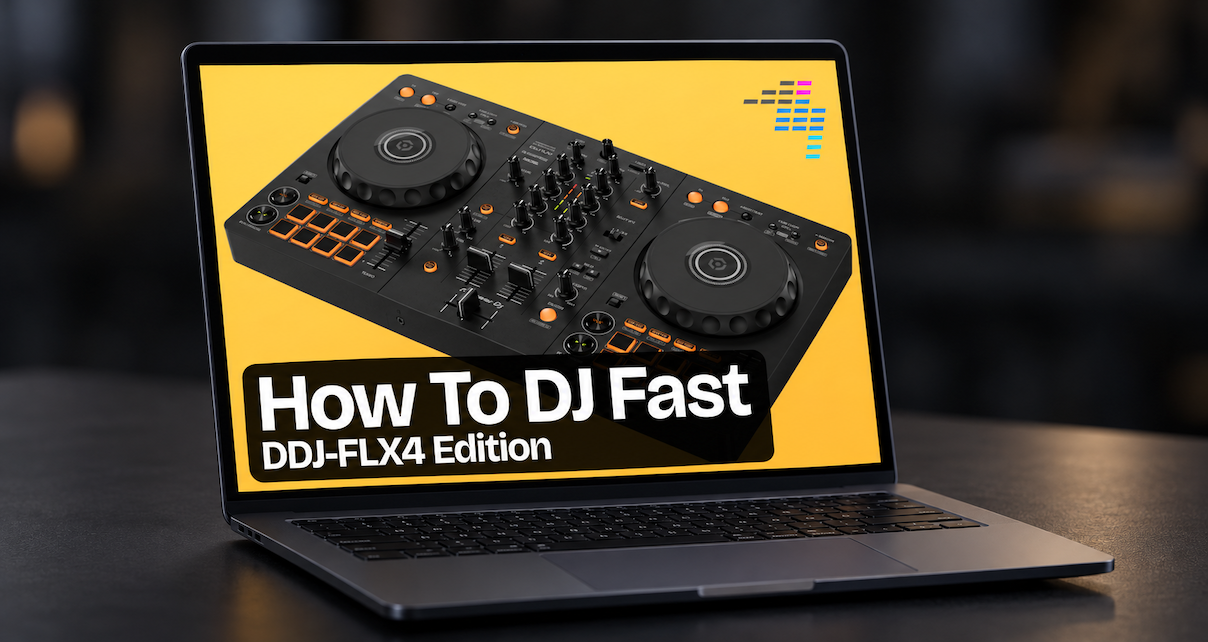
- Pioneer DJ DDJ-FLX4Beginners · £249
- Pioneer DJ HDJ-X7Club booths · £139
- KRK Rokit RP5 G4Bedroom studios · £179 each
- SanDisk Ultra Fit 128GB USB 3.2CDJ / XDJ exports · £16
Buying guides: DJ controllers compared · DJ headphones compared