Dance Music Trends: Faster, Rawer, More Human
By SoundStash · 2026-07-19 · 6 min read

With no single superstar release dominating the conversation, the most interesting story in electronic music right now is broader: dance culture is moving away from polished, platform-ready drops and back toward tracks that feel built for sweaty rooms, fast transitions and real-world community.
Across club sets, festival side stages and underground livestreams, the sound is getting quicker, rougher and more rhythm-led. Hardgroove techno, UK garage, trance-inflected breaks, Latin club mutations and stripped-back house are all thriving because they reward movement rather than passive listening.
This is not nostalgia for a golden age. It is a practical response to how people discover, play and gather around music today: DJs need flexible tools, producers need tracks that cut through short attention spans, and audiences want nights that feel personal rather than algorithmic.
Fast BPMs Are Back, But Subtlety Matters
One of the clearest dance music trends is the return of higher tempos. Techno sets are regularly pushing into the 140 BPM range, trance textures are resurfacing, and breakbeat-heavy edits are giving DJs more energy to work with across peak-time slots.
The difference from earlier speed-obsessed cycles is that the best music is not simply faster. Producers are leaving more negative space, using rolling percussion instead of over-compressed drops, and borrowing swing from garage, electro and Latin club music. The result is momentum without monotony.
For listeners, this means the most exciting club tracks may not reveal themselves in the first eight seconds. They are designed to build tension over a mix, lock into a room and reward DJs who can layer grooves rather than just stack big moments.
Hardgroove and Percussive Techno Lead the Floor
Hardgroove has become a key language for the current club moment because it sits between underground credibility and immediate physical impact. Its emphasis on loops, drums and hypnotic funk makes it adaptable: it can warm up a warehouse, drive a festival tent or add muscle to a house-heavy set.
This resurgence also reflects a wider appetite for DJ-friendly music. Tracks with long intros, clean drum sections and modular arrangements give selectors room to create tension live. In an era when many songs are optimized for clips, hardgroove succeeds because it is optimized for mixing.
Expect more producers to focus on percussion packs, live-sounding top loops and stripped arrangements rather than maximal synth hooks. The sound is not just a genre revival; it is a reminder that dance music often advances by making the rhythm feel urgent again.
UK Garage, Breaks and Trance Blur Into Pop
Another defining shift is the way historically club-rooted sounds are slipping into more accessible songwriting. UK garage drums, 2-step swing, breakbeat fills and dreamy trance pads are now common tools for artists who want energy without defaulting to EDM festival formulas.
This crossover works because these styles carry emotional range. Garage can feel intimate and bouncy, breaks can feel chaotic and nostalgic, and trance chords can deliver euphoria without needing a massive big-room drop. Together, they offer pop-facing artists a more textured path into dance music.
For DJs, the upside is a richer middle ground. Sets can move from vocal-led records into deeper club cuts without a hard stylistic reset, making it easier to connect casual listeners with underground sounds.
The New Underground Is Community-Led
The healthiest parts of electronic music are increasingly being built around smaller, identity-rich scenes rather than one-size-fits-all nightlife brands. Local collectives, queer parties, DIY warehouse crews and genre-specific micro-festivals are shaping taste from the ground up.
That community focus is changing what gets valued. Audiences are paying attention to residents, party curation, safer dancefloor policies and the overall atmosphere of a night. A great event is no longer just about the biggest name on the flyer; it is about trust.
This also gives emerging artists a more realistic path. Instead of chasing viral scale immediately, producers and DJs can develop a sound inside a scene, test music in rooms that understand it and grow through word-of-mouth that feels more durable than a short-lived social spike.
DJ Tech Is Moving Toward Hybrid Performance
The gear conversation is shifting from simply playing tracks to reshaping them live. More DJs are using stems, performance pads, compact controllers, drum machines and effects chains to create sets that sit somewhere between traditional DJing and live electronic performance.
This trend pairs naturally with the music itself. Percussive techno, breaks and garage all respond well to looping, chopping and layering. A DJ can isolate drums, extend a groove, tease a vocal or rebuild a transition in a way that feels spontaneous rather than pre-scripted.
The challenge is restraint. Technology can make a set more expressive, but it can also clutter the groove. The strongest performers use hybrid tools to enhance flow, not to prove how many tricks they can execute per minute.
What This Means for Listeners and Producers
For listeners, now is a good time to explore beyond the headline acts. Look for labels releasing functional club tools, follow resident DJs from trusted parties, and pay attention to mixes where transitions tell a story. The most revealing music of the moment often appears in sets before it appears on charts.
For producers, the opportunity is clear: make music that DJs can actually use. Strong drums, clean arrangement, memorable texture and emotional restraint can travel further than an overstuffed drop. A track that works in three different parts of a set has more life than one engineered for a single viral moment.
The current wave of electronic music feels exciting because it is practical and human at once. It values sweat, repetition, imperfection and local context. In a culture overloaded with content, the dancefloor is reasserting itself as the place where trends become real.
Recommended Gear & Products
See the full gear guideAffiliate links — we may earn a small commission at no extra cost to you.
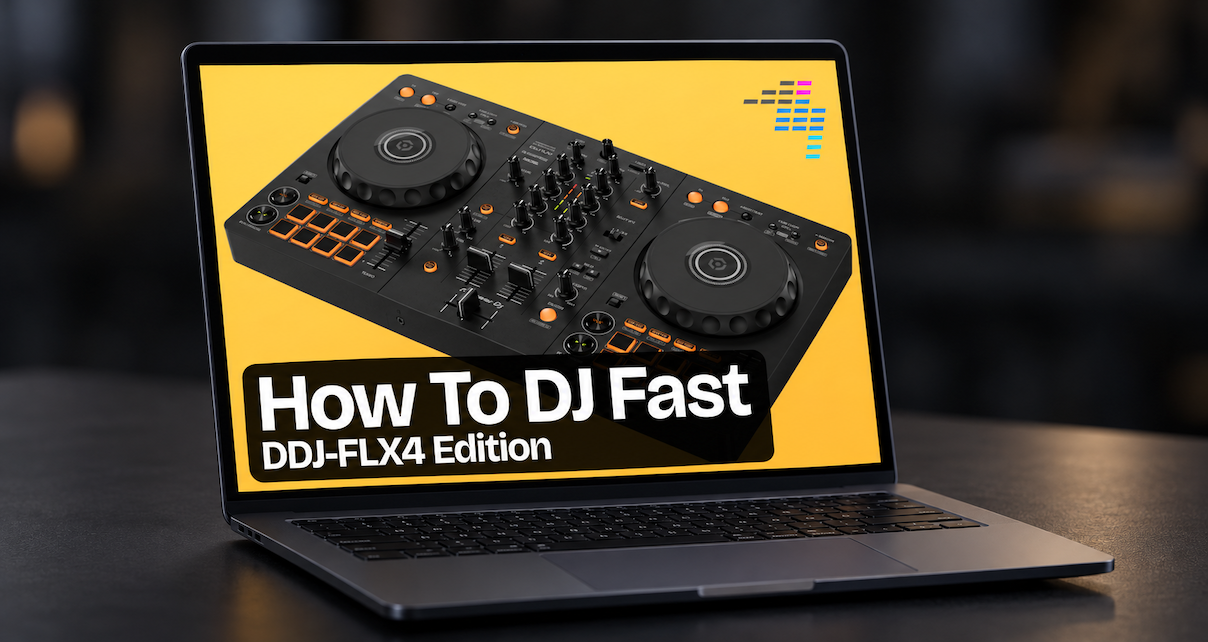
- Pioneer DJ DDJ-FLX4Beginners · £249
- Pioneer DJ HDJ-X7Club booths · £139
- KRK Rokit RP5 G4Bedroom studios · £179 each
- SanDisk Ultra Fit 128GB USB 3.2CDJ / XDJ exports · £16
Buying guides: DJ controllers compared · DJ headphones compared