Electronic Music Trends: The Faster Club Era
By SoundStash · 2026-08-27 · 5 min read
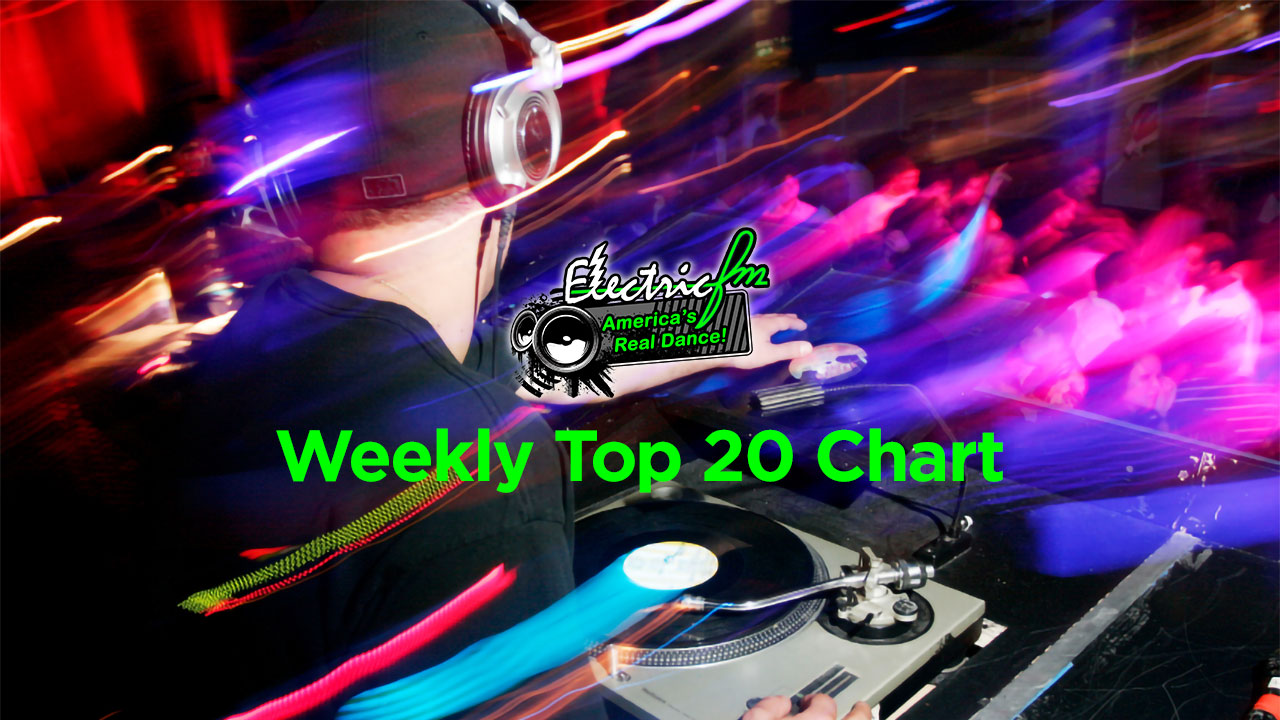
The biggest story in electronic music right now is not a single release, feud or festival lineup. It is a wider shift in club culture: dance music is getting faster, more emotional and more rhythmically restless, with DJs stitching together techno, trance, UK garage, jungle, baile funk, amapiano and hardgroove in sets that move like timelines instead of genres.
After years of playlist-friendly house and clean festival drops, the centre of gravity has moved back toward the floor. Crowds want momentum, imperfection and surprise. That does not mean melody has disappeared; if anything, euphoric hooks are back in a major way. But they are being delivered with tougher drums, sharper edits and a new appetite for tempo changes.
For artists, DJs and fans, this is a useful moment to understand. The most exciting electronic music trends are not happening in isolation. They are connected by a bigger demand for energy, identity and community in an era where social media can break a track overnight but only the club can prove whether it truly works.
Why Fast Dance Music Is Dominating Again
One of the clearest current electronic music trends is the return of speed. Hard techno, trance-leaning techno, donk edits, jungle breaks and high-BPM club tools are all thriving because they offer instant physical impact. In an attention economy where a track has seconds to make an impression, a driving kick or rolling breakbeat cuts through immediately.
But this is not simply a race to be the hardest or fastest. The more interesting development is how producers are using speed to create emotional release. Trance chords, rave stabs and vocal fragments are reappearing because they give intensity a human centre. The best new club tracks pair pressure with payoff: tension, acceleration and then a melody that feels communal when it lands.
This also reflects a change in DJing. More sets now jump across BPM zones rather than sitting in one narrow lane for an hour. A DJ might start with percussive house, lift into UK garage, swing into hardgroove techno and finish with euphoric trance. The result is less about genre loyalty and more about narrative control.
The Trance Revival Is Bigger Than Nostalgia
Trance is back in the conversation, but the revival is not just a retro costume. Younger producers are borrowing its emotional language: supersaw pads, arpeggios, long builds and bright, open-hearted melodies. What has changed is the context. These sounds are being folded into techno, pop edits, breakbeat and experimental club music rather than recreated as pure late-90s throwback.
The reason it works now is simple: modern club crowds are not embarrassed by euphoria. After years of minimal coolness and algorithmic background music, there is renewed appetite for tracks that feel dramatic. Trance offers scale, tension and sincerity, which makes it especially powerful in big rooms and festival tents.
For DJs, the key is restraint. A trance-influenced peak-time weapon can be unforgettable, but too many hands-in-the-air moments in a row can flatten a set. The smartest selectors are using trance texture as seasoning: a melodic lift after a run of drums, a vocal breakdown after a hard techno section, or a final-track moment that feels earned.
UKG, Jungle and Breakbeats Are Rewiring the Mainstream
Another defining shift is the continued rise of broken rhythms. UK garage, speed garage, 2-step, jungle and breakbeat house have become essential parts of the modern dance vocabulary. Their appeal is obvious: they offer swing, syncopation and bounce at a time when straight four-to-the-floor grooves can feel predictable.
This movement has also changed the way pop and electronic music interact. Garage drums and breakbeats give vocal tracks club credibility without requiring a full EDM structure. That makes them useful for producers who want energy without the obvious build-and-drop formula.
The deeper story is cultural. UKG and jungle carry histories tied to pirate radio, MC culture, sound systems and local dancefloors. Their current popularity works best when artists engage with that lineage rather than treating the rhythms as disposable trend material. Listeners are increasingly good at spotting the difference between genuine influence and surface-level borrowing.
Global Club Sounds Are Setting the Pace
The most exciting dance music is increasingly global in rhythm and influence. Amapiano, Afro house, baile funk, Latin club, gqom, dembow, kuduro and Caribbean-rooted sounds have reshaped what peak-time energy can feel like. Instead of one international club template, DJs are drawing from multiple regional scenes with distinct drum patterns and dance traditions.
This is healthy for electronic music because it breaks the idea that innovation only flows from a few traditional capitals. Producers everywhere are now able to reach global audiences quickly, while local scenes retain the character that made them compelling in the first place. The challenge is making sure the visibility benefits originators, not just outside artists who repackage the sound for bigger platforms.
For listeners, the reward is a richer dancefloor. Sets can move from log-drum minimalism to rolling percussion, from Latin club pressure to high-speed techno, without losing coherence. The common thread is groove. In the current era, rhythm is often the headline.
Hybrid DJ Sets Are Becoming the New Standard
The line between DJ set, live set and content performance is blurring. More artists are arriving with hybrid rigs: CDJs plus drum machines, controllers, samplers, stems, loopers or Ableton sessions. This lets them edit tracks on the fly, extend transitions, isolate vocals and create moments that cannot be replicated by simply pressing play.
That shift has raised expectations. Fans still want great selection, but they also respond to visible craft. A well-timed loop, a live filter sweep, a chopped vocal or a surprise acapella can make a set feel unique. In a world where recorded mixes are everywhere, the live room needs its own reason to matter.
The downside is that technology can become a distraction. The strongest hybrid performers use gear to serve flow, not to show off. A simple two-deck mix with perfect tension will always beat an overloaded setup with no direction. The future belongs to DJs who understand both musical storytelling and technical possibility.
What These Electronic Music Trends Mean Next
The current moment suggests that dance music is moving away from neat categories and toward high-contrast experiences. Faster tempos, emotional hooks, global rhythms and broken beats are not separate lanes; they are ingredients in a more fluid club language. The best artists will be the ones who can connect them without making the result feel like a trend checklist.
For producers, this is a call to think beyond genre tags. A track can have the swing of garage, the atmosphere of trance, the low-end patience of amapiano and the punch of techno if the arrangement makes sense. What matters is not how many influences are present, but whether the track has a clear identity.
For fans, it is a great time to dig deeper. Follow the labels behind the sounds, learn the histories, listen to regional scenes and support artists directly when possible. The algorithm may tell you what is trending, but the culture still lives in record shops, small clubs, radio shows, Bandcamp pages and late-night sets where new ideas are tested in real time.
Recommended Gear & Products
See the full gear guideAffiliate links — we may earn a small commission at no extra cost to you.
- Pioneer DJ DDJ-FLX4Beginners · £249
- Pioneer DJ HDJ-X7Club booths · £139
- KRK Rokit RP5 G4Bedroom studios · £179 each
- SanDisk Ultra Fit 128GB USB 3.2CDJ / XDJ exports · £16
Buying guides: DJ controllers compared · DJ headphones compared