J.Rocc DJ Culture: KCRW Selector Spotlight
By SoundStash · 2026-09-15 · 5 min read

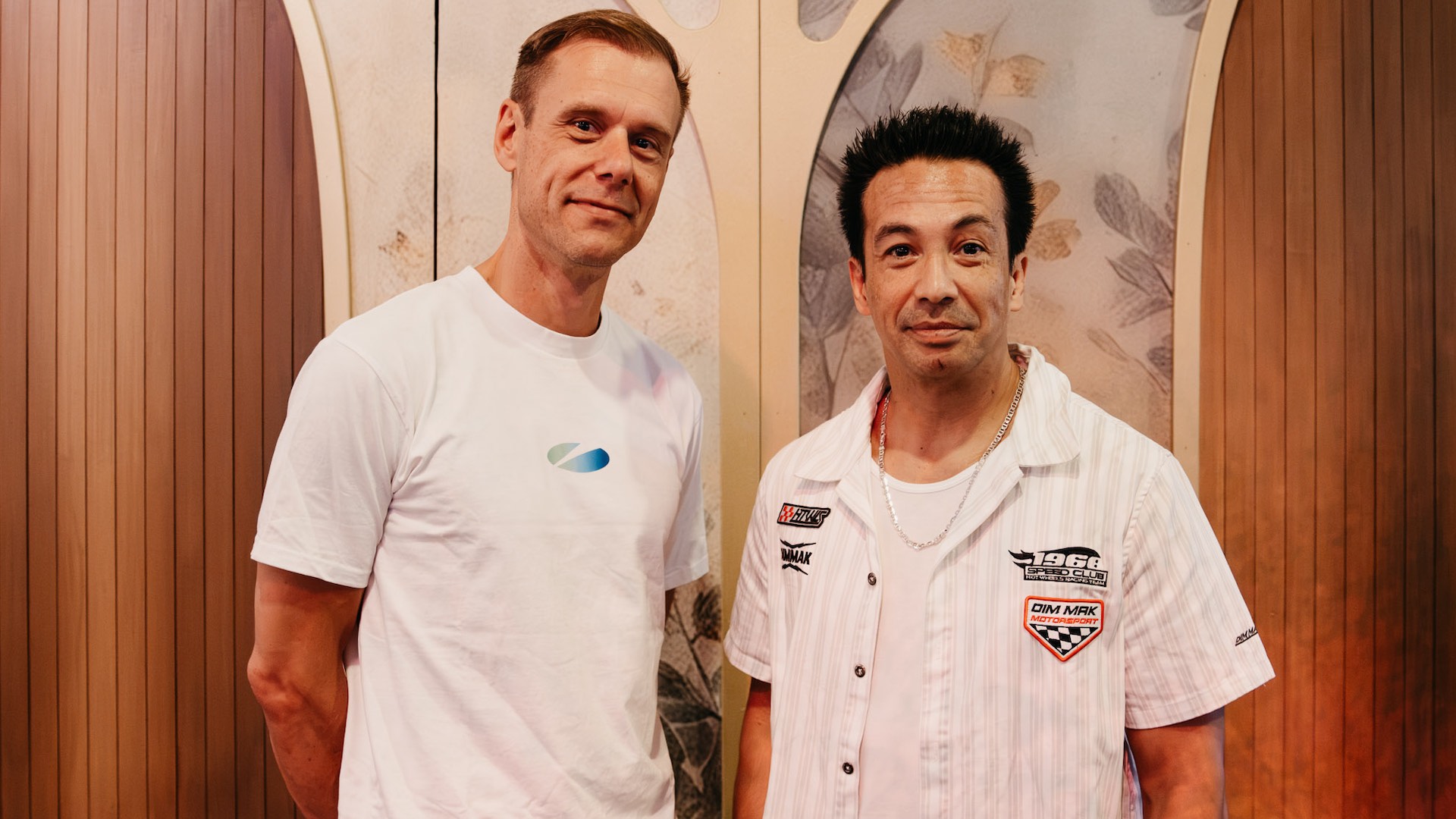
J.Rocc is back in the conversation for the right reason: not a controversy, not a gimmick, but a reminder that DJ culture is still built on ears, timing and trust. A new Fusicology video interview puts the Los Angeles selector's weekly KCRW work at the centre, framing his craft around human connection rather than algorithmic discovery.
That matters in 2026 because the electronic music feed is crowded with instant drops, sped-up edits and one-week micro-trends. J.Rocc represents a slower, deeper kind of authority: the DJ as historian, mood-reader, bridge-builder and studio-minded beat constructor.
For listeners who know the name but have not traced the full arc, this Artist Spotlight is the reset point: why J.Rocc matters, how his sound works, and what to play first if you want to hear the logic behind one of LA's most durable DJ voices.
Why J.Rocc's KCRW Moment Matters
The current hook is simple but meaningful: Fusicology's new video interview places J.Rocc in conversation about radio, DJ culture and connection. In a climate where DJs are often measured by viral clips, his KCRW presence highlights a different metric of impact: the ability to make records speak to each other across decades, styles and scenes.
Radio suits J.Rocc because it rewards narrative. A club set can be about pressure and release; a broadcast can be about context, surprise and pacing over a longer emotional distance. His value is not just in rare records or technical skill, but in the way he lets a listener feel guided without being lectured.
That is also why he remains relevant to electronic music readers, even when his sets move through hip-hop, funk, soul, boogie, jazz, breaks and beat-scene instrumentals. The connective tissue is rhythm design. J.Rocc hears dance music as a continuum, where a dusty drum break, a synth-funk groove and a modern beat can all belong to the same room.
From Turntablism To LA Beat Authority
J.Rocc's career arc begins with turntablism, but it does not stop at technique. Scratching, juggling and battle-tested control gave him the foundation; the bigger achievement has been turning that skill into a lifelong language of selection. Plenty of DJs can demonstrate precision. Fewer can use precision to create warmth.
As a founding figure within Los Angeles DJ culture, he helped push the idea that the turntable is not just a playback device. It is an instrument, an archive and a storytelling tool. That mindset eventually made him a natural fit for label projects, radio sessions, festival stages and listening-room environments where knowledge carries as much weight as volume.
His evolution also mirrors the wider journey of the LA beat scene. The city has long valued hybrid thinkers: DJs who understand records physically, producers who think like collectors, and selectors who can move between backyard funk energy and head-nod abstraction. J.Rocc sits directly in that lineage.
The J.Rocc Sound: Groove-First Crate Science
The easiest way to describe the J.Rocc sound is groove-first crate science. His sets rarely feel like genre checklists. Instead, they operate through texture: drum grit, bass movement, vocal fragments, handclaps, synth stabs and the kind of swing that makes a room lean forward before it starts moving.
He is not a maximalist in the festival sense. The drama often comes from blend logic: how one snare tone sets up the next, how a bassline carries the weight of a transition, how a familiar break can be reintroduced as if it has just been pulled from a different universe. That makes his style especially useful for DJs who want to move beyond obvious peak-time programming.
There is also a producer's ear at work. J.Rocc's own records and edits tend to treat samples and drums as living material rather than nostalgia objects. Even when the source language is vintage, the arrangement mindset is modern: short loops with purpose, spacious low-end, and transitions that feel hand-built rather than grid-locked.
What To Play First From J.Rocc
Start with "Some Cold Rock Stuf" if you want the clearest entry into J.Rocc as a producer. It captures his instrumental voice: chopped drums, loose funk pressure, psychedelic details and a sense of play that never turns into novelty. It is the record to play when you want to understand how a DJ's hands can shape a studio album.
Next, move to "A Wonderful Letter" for a more expansive view of his LA sensibility. The project feels like a map rather than a single-lane beat tape, drawing from neighbourhood memory, radio imagination and low-slung rhythm culture. It is a strong pick for listeners who want warmth and movement without sacrificing detail.
For the DJ side, seek out his mixes and radio archives. That is where the full vocabulary appears: breaks into soul, funk into rap instrumentals, left-field beat music into dancefloor-friendly pockets. If you are programming a set, study how he changes energy without always changing tempo. That is a masterclass in restraint.
A practical listening path: play "Some Cold Rock Stuf" at home on headphones, use "A Wonderful Letter" for a late-afternoon drive or studio session, then spend time with a KCRW archive to hear how his selections breathe in real time. The records show the producer; the broadcasts reveal the selector.
What DJs Can Learn From His Pacing
J.Rocc's biggest lesson for working DJs is that taste becomes powerful when it is sequenced well. A rare record dropped in the wrong place is just trivia. A familiar groove placed after the right tension point can feel like discovery. His sets remind you that the transition is not only technical; it is emotional architecture.
He also proves that range does not have to mean chaos. Many open-format sets jump between styles as a flex. J.Rocc's range feels earned because the rhythm, tone or cultural memory usually carries over from one selection to the next. That is why his programming can satisfy dancers, collectors and casual listeners at once.
For electronic DJs, the takeaway is especially valuable. If your sets lean too heavily on new promos or chart momentum, spend time with J.Rocc's approach to older records and slower reveals. The goal is not to imitate his crates. It is to build a stronger relationship between what you play, why it belongs, and how the next record changes the story.
Keep going: plan your next set: /planner · more music features: /blog.
Recommended Gear & Products
See the full gear guideAffiliate links — we may earn a small commission at no extra cost to you.
- Pioneer DJ DDJ-FLX4Beginners · £249
- Pioneer DJ HDJ-X7Club booths · £139
- KRK Rokit RP5 G4Bedroom studios · £179 each
- SanDisk Ultra Fit 128GB USB 3.2CDJ / XDJ exports · £16
Buying guides: DJ controllers compared · DJ headphones compared