Jungle Mixing: DJ Aphrodite Energy Arcs
By SoundStash · 2026-09-23 · 6 min read
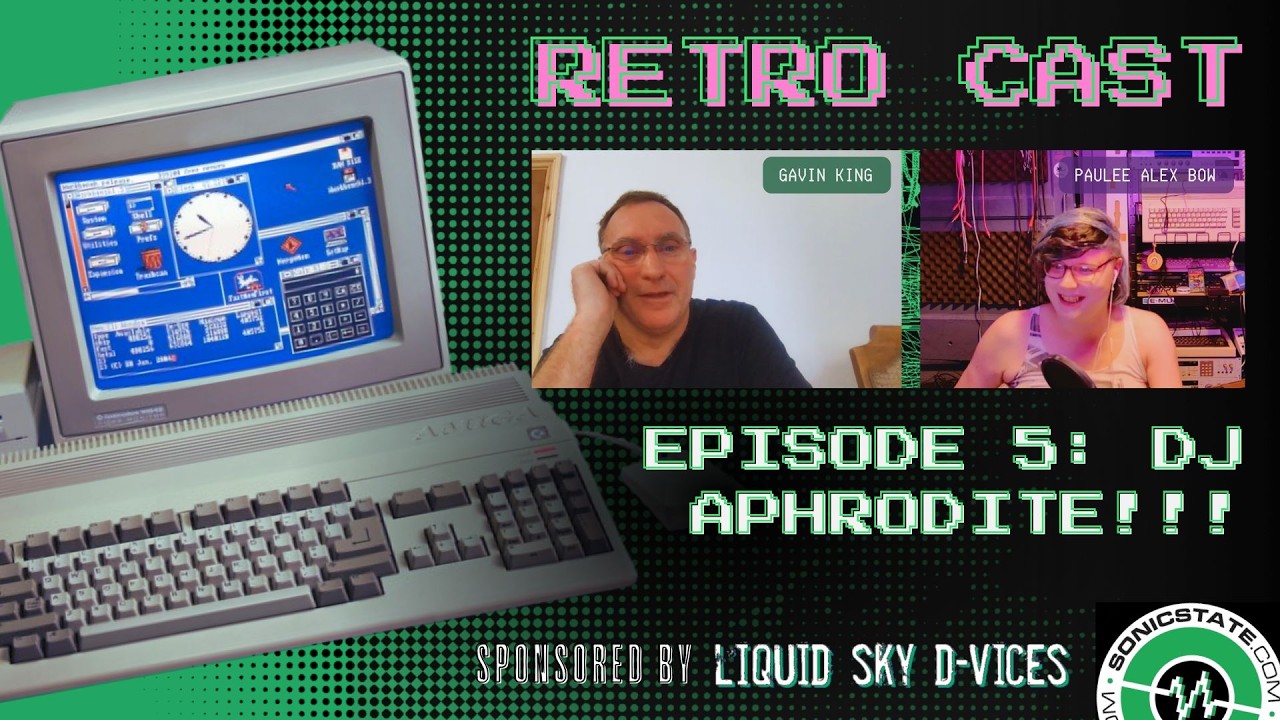
Sonicstate’s new Sonic RETROCAST episode with Gavin King, better known as DJ Aphrodite, is more than a nostalgia hit for UK jungle fans. It is a useful reminder that great DJ craft starts with intent: rhythm, pressure, surprise and the ability to make limited tools feel explosive.
The interview revisits Aphrodite’s early production world, including the resourceful era of Urban Shakedown and hand-synchronised Amiga setups. For today’s DJs, the lesson is not to copy the technology. It is to copy the discipline: know your tunes deeply, make every transition serve the room, and build energy in chapters rather than random spikes.
Here is a practical jungle and drum and bass mixing guide inspired by that mindset, built for modern rekordbox, Serato, Traktor, CDJ or controller users.
Start With Phrasing, Not Just BPM
Jungle mixing can punish lazy counting because the drums are busy, syncopated and often built around sudden edits. Before you worry about tricks, mark the structure of each track: intro length, first full break, bass entry, breakdown, second drop and clean outro. If a tune has a famous vocal stab or ragga hook, mark that too, because it may be the part the crowd is waiting for.
A reliable starting point is to mix in 16 or 32-bar blocks. Bring the incoming tune in during a drum-led section rather than over a dense vocal or full bassline, then let the next drop arrive where the outgoing track naturally releases. This keeps the transition musical even when the breakbeats feel chaotic.
For set prep, create memory cues named by function rather than colour alone: IN DRUMS, BASS HIT, VOCAL, SAFE OUT, DOUBLE DROP. When you are under booth pressure, functional cue names help you make faster decisions.
Use Key Matching Without Making Jungle Polite
Key matching is helpful in drum and bass, but it should not turn the set into a smooth playlist with no danger. Jungle thrives on contrast: rough drums against warm pads, dark bass after a soulful vocal, or a sudden switch from rolling funk to tear-out pressure.
Use harmonic mixing for long blends, especially when pads, strings, vocals or sub-bass notes overlap. If two tunes clash badly, shorten the blend and treat the transition as a rhythmic cut. A tune can be the wrong key for a 90-second mix but perfect for a four-bar impact switch.
A practical rule: blend harmonically when melody is exposed, cut rhythmically when drums dominate, and avoid stacking two heavy sub-basslines for too long. The crowd feels muddy low-end faster than the DJ does.
Build Energy Arcs in Three-Tune Clusters
Instead of planning a whole set as one fixed line, build it in clusters of three. Tune one establishes the lane, tune two increases tension, and tune three delivers the payoff or reset. This gives you structure while still leaving room to react to the floor.
For example, open a cluster with a rolling jungle tune that has clean drums, follow it with a darker bassline track, then land on a recognizable anthem, dubplate-style vocal or heavier drop. After that, reset with something more spacious before starting the next climb.
This approach is especially useful at 160–174 BPM because high-tempo music can fatigue a room if every selection is maximum intensity. The art is not only pushing harder; it is knowing when to widen the groove so the next drop feels bigger.
Practice Doubles, Chops and Reloads Safely
The classic jungle and DnB double is still one of the most exciting techniques in the style: two copies of the same track, or two compatible breaks, running together for impact. Start by practising with duplicated files on your controller or CDJs. Align the same downbeat, nudge carefully, then use the crossfader or line faders to create short call-and-response edits.
Chops work best when the audience can still follow the groove. Cut too often and you sound nervous; cut with space and you sound in control. Try a simple eight-bar exercise: four bars on deck A, two bars on deck B, one bar A, one bar B, then release into the drop.
Reloads should be earned. If a vocal, bass hit or break causes a real reaction, pull it back quickly and cleanly. If the floor does not respond, do not force the theatre. A reload is a conversation with the room, not a reflex.
Prepare Crates by Function, Not Just Genre
A folder called “jungle” is too broad to help in a live moment. Split your library by job: openers, rollers, amen pressure, vocal hooks, dark switchers, classic references, double-drop tools and emergency resets. This mirrors how DJs actually think during a set.
Tag tracks with energy numbers, but add human notes too. “Big second drop,” “short intro,” “watch vocal,” “works after soulful,” or “do not blend long” are more useful than metadata alone. The best set prep turns future decisions into obvious options.
If you are learning from interviews, tutorials or archival performances, avoid copying the exact track order. Instead, identify the decision-making: where the DJ adds pressure, where they gives the crowd air, and how long they lets an idea breathe.
Run a 30-Minute Jungle Mixing Drill
Set a timer for 30 minutes and choose 12 tracks only. Your goal is not to play all of them; it is to create two or three clean energy arcs. Record the session, then listen back without touching the decks. Mark every transition as green, amber or red.
Green means the phrasing, levels and energy worked. Amber means the idea was good but the timing or EQ needs polish. Red means the track choice or technique fought the groove. This kind of review is boring compared with scrolling for new tracks, but it is where real DJ progress happens.
For the next run, fix only one problem: tighter phrasing, cleaner bass swaps, better key choices or more confident fader movement. Focused repetition will improve your jungle mixing faster than another hour of random tutorial hopping.
Keep going: Plan your next set: /planner · Drum and bass trends: /trending/drum-and-bass.
Recommended Gear & Products
See the full gear guideAffiliate links — we may earn a small commission at no extra cost to you.
- Pioneer DJ DDJ-FLX4Beginners · £249
- Pioneer DJ HDJ-X7Club booths · £139
- KRK Rokit RP5 G4Bedroom studios · £179 each
- SanDisk Ultra Fit 128GB USB 3.2CDJ / XDJ exports · £16
Buying guides: DJ controllers compared · DJ headphones compared
Source: https://www.facebook.com/wearecrossfader/videos/build-your-custom-dj-pathway-today/1123832390301639/