David Guetta DJ Mag Record Sixth No. 1
By SoundStash · 2026-10-13 · 5 min read
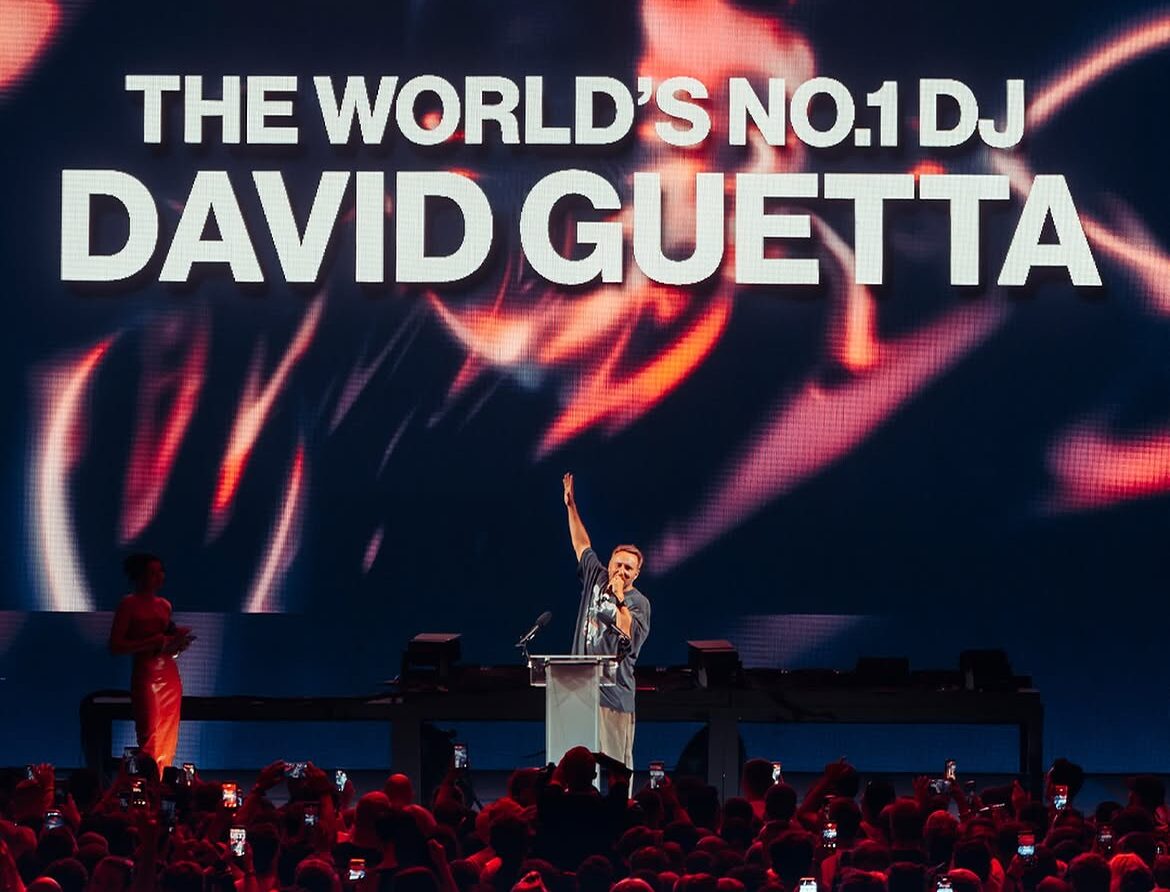
David Guetta is back at the top of DJ Mag’s Top 100 DJs poll, and the headline matters less for the trophy than for what it says about his durability. A sixth No. 1 result in 2026 turns a long-running superstar career into something closer to a case study: how does a DJ remain central when dance music keeps changing shape?
For SoundStash readers, the answer is not just marketing scale. Guetta’s strength has always been translation. He can take underground-adjacent club ideas, simplify the emotional entry point, and deliver them to huge rooms without fully abandoning DJ functionality.
This Artist Spotlight looks at the current news hook, the wider career arc, the mechanics of his sound, and the tracks worth playing if you want to understand why David Guetta still moves between radio, mainstage and club playlists so effectively.
Why the Sixth DJ Mag Win Matters
DJ Mag’s poll is not a pure measure of technical ability or underground influence; it is a global popularity snapshot shaped by touring, fan mobilisation, streaming reach and brand visibility. That makes Guetta’s sixth win revealing. It shows that his audience has not just endured, but refreshed across generations of dance fans.
The timing is important because electronic music in 2026 is fragmented. Afro house, melodic techno, drum and bass, hard techno, Latin house and pop-dance all sit in overlapping lanes. Guetta’s continued dominance suggests he has become less a representative of one genre and more a gateway figure for mass-scale dance music.
There is also a strategic lesson for DJs and producers: longevity comes from recognising the emotional centre of a moment before the market fully names it. Guetta has repeatedly done that, whether through vocal-led EDM, future-rave pressure, piano-house revivalism or festival-ready pop-dance.
From Paris Clubs to Global Pop-Dance Architect
Guetta’s career arc began with the fundamentals: long nights in clubs, reading crowds and building a reputation before global streaming made dance music instantly borderless. That early grounding still matters. Even at his most commercial, his records usually carry a clear DJ logic: an intro that can be mixed, a vocal that lands quickly, and a drop designed for crowd recognition.
His crossover years made him one of the defining figures in the moment when electronic production became pop’s central engine. The key was not simply putting dance beats under big hooks. It was understanding how a club arrangement could support radio immediacy without losing the physical impact required on large systems.
The later phase of his career may be even more instructive. Rather than remaining frozen in peak-era EDM, Guetta has kept updating the frame: darker synth work, faster tempos, nostalgic samples, rave stabs and leaner drops. That adaptability is why his catalogue still works for open-format DJs as well as festival sets.
The David Guetta Sound: Simple Hooks, Massive Utility
A Guetta production often begins with an easily readable emotional signal: a vocal phrase, a piano motif, a familiar melodic contour or a synth line that announces itself within seconds. That directness is sometimes underrated. In a huge crowd, complexity rarely wins unless the central idea is instantly understood.
Underneath that accessibility, the arrangements are built with practical DJ architecture. The drums tend to be clean and forward, the transitions are uncluttered, and the energy curve is obvious enough for both festival crowds and commercial dance floors. This is why his records travel well across gyms, radio, beach clubs, mainstage sets and late-night pop rooms.
His strongest work also shows a producer’s understanding of contrast. Bright toplines meet compressed low-end; euphoric builds resolve into blunt drops; nostalgic elements are reframed with modern mix weight. The result is not underground subtlety, but high-function dance music designed for maximum recognition.
What to Play: A Starter Set for DJs and New Fans
If you want the pop crossover entry point, start with the records where Guetta’s vocal instincts are most obvious. These tracks are useful for DJs because they give a room a lyric to grab onto before the drop does the heavy lifting. They also show how he helped normalise dance production as a mainstream pop language.
For peak-time festival energy, choose his bigger, brighter anthems and newer high-impact cuts. These are the records to test when a crowd is already warm and needs a recognisable lift. Their value is not subtle crate-digging credibility; it is immediate hands-up response and clean mixability.
For a more club-facing angle, focus on the tracks and edits that lean into rave tones, muscular synths and tighter drops. Those selections reveal why Guetta has remained useful to working DJs: even when the branding is global, the records can still function as tools inside a broader house, EDM or mainstage set.
Why DJs Still Learn From Guetta’s Playbook
Guetta’s career is a reminder that taste alone is not enough. The most effective big-room DJs understand sequencing, crowd psychology and the difference between a strong track and a track that works at exactly the right moment. His best sets operate on clear emotional pacing: familiarity, release, impact, reset.
For producers, the lesson is arrangement economy. Guetta’s biggest records rarely hide the hook. They prioritise a fast connection, a defined payoff and mix elements that hold up on large speakers. In an era where many tracks are built for short-form clips, that kind of structural clarity remains valuable.
The current No. 1 result does not mean every corner of electronic music sounds like Guetta. It means he continues to occupy the centre lane of global dance culture: the place where casual listeners, festival crowds and working DJs overlap. That lane is difficult to enter and even harder to hold.
Keep going: dance charts: /charts · plan your DJ week: /planner.
Recommended Gear & Products
See the full gear guideAffiliate links — we may earn a small commission at no extra cost to you.
- Pioneer DJ DDJ-FLX4Beginners · £249
- Pioneer DJ HDJ-X7Club booths · £139
- KRK Rokit RP5 G4Bedroom studios · £179 each
- SanDisk Ultra Fit 128GB USB 3.2CDJ / XDJ exports · £16
Buying guides: DJ controllers compared · DJ headphones compared
Source: https://www.facebook.com/groups/mobiledjnetwork/posts/39622592000688046/