Fred again.. Spotlight: USB and Actual Life
By SoundStash · 2026-10-06 · 5 min read

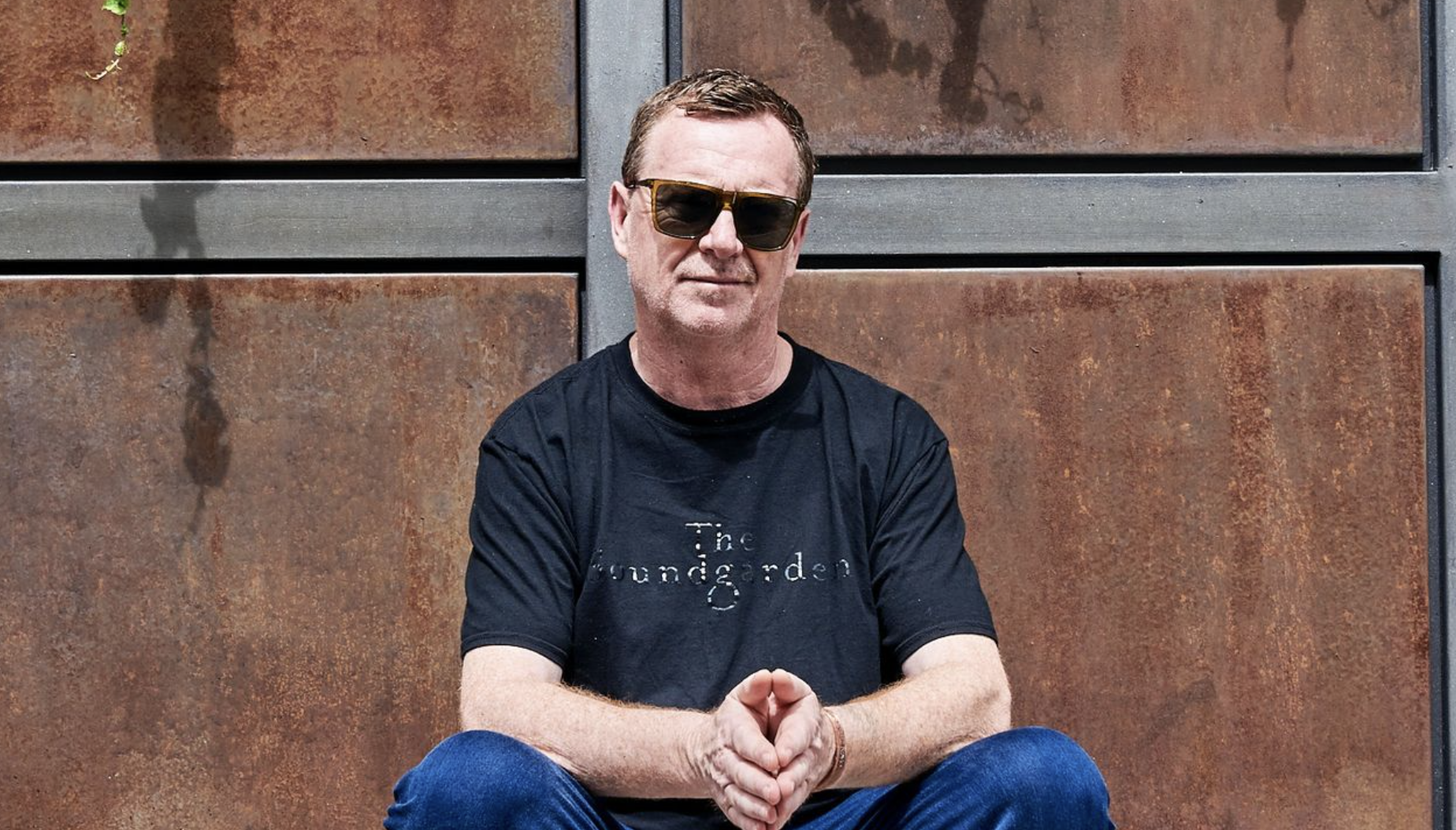
Fred again.. is back in the conversation after a recent social clip revisited his 2022 Apple Music interview, reminding fans how unusually transparent his process can be. Instead of treating production like a sealed studio mystery, he frames songs as living documents: voice notes, street noise, private grief, communal release.
That matters because Fred’s biggest strength is not just melody or festival-scale drops. It is the way he turns tiny human details into club records that feel intimate even when they are being played to tens of thousands of people.
For DJs and electronic music fans, the current hook is a useful reason to zoom out: how did Fred again.. move from behind-the-scenes pop architect to one of dance music’s most influential live acts, and which tracks best explain the phenomenon?
Why Fred again.. still feels different
Fred again.. occupies a rare lane in modern electronic music: he is both a producer’s producer and a mainstream festival name. His records work in headphones because the emotional detail is close-up, but they also scale to huge crowds because the drums, repetition and release points are built with DJ logic.
The renewed attention around his old interview lands at the right time. A lot of dance music currently chases speed, edits and instant drops, while Fred’s appeal is more architectural. He often lets a phrase loop long enough to become a hook, then surrounds it with chords that make the sample feel like a memory rather than a gimmick.
From pop credits to the Actual Life breakthrough
Before Fred again.. became a front-facing artist, Fred Gibson built a serious reputation in the studio. His writing and production background gave him a fluency in structure: how to make a chorus land, how to keep a vocal phrase memorable, and how to arrange emotion without overloading the mix.
The Actual Life series changed the frame. Instead of polishing every human edge away, he leaned into fragments: messages from friends, spoken-word moments, phone recordings and samples that sounded almost too personal for the club. That decision gave his music a diary-like identity at a time when electronic albums often felt playlist-first.
The career arc is important because it explains his reach. Fred again.. did not abandon pop craft when he entered the dance spotlight; he smuggled it into house, garage, breakbeat and bass-heavy festival records. The result is music with the directness of a pop song and the physicality of a club tool.
The Fred again.. sound: voice, space and release
At the centre of the Fred again.. sound is the chopped voice. Sometimes it is a clear vocal line, sometimes a tiny spoken phrase, and sometimes a sample treated more like percussion. The key is that the voice rarely feels decorative. It usually carries the emotional thesis of the track.
His drums borrow from UK club traditions without sitting in one fixed genre. You can hear house pulse, garage swing, breakbeat momentum and bass music pressure, often within the same set. That flexibility makes his catalogue useful for DJs who move between melodic warm-up energy and peak-time impact.
There is also a signature use of space. Fred’s biggest moments are not always the loudest sections; they often arrive after a stripped-back loop, a pause, or a repeated line that has been given time to gather weight. That sense of patience is why his drops feel communal rather than purely mechanical.
What to play first in a Fred again.. set
Start with “Marea (we’ve lost dancing)” with The Blessed Madonna if you want the clearest entry point. It is reflective, simple and instantly readable on a dancefloor. The track captures the post-lockdown ache of wanting to move together again without turning that feeling into nostalgia bait.
For a bigger-room lift, “Delilah (pull me out of this)” is one of his most effective emotional accelerators. It has the vocal immediacy of a pop record but lands with enough rhythmic force to work inside house and festival sets.
“Jungle” is the pressure release record. It is darker, heavier and more direct, making it a strong bridge into bass-led selections. “Turn On The Lights again..” with Swedish House Mafia and Future, meanwhile, is the crossover weapon: huge vocal recognition, arena scale and enough low-end drive to connect with mainstream EDM crowds.
USB era and the rise of the live-edit artist
Fred again..’s USB concept has helped reshape how fans think about releases. Instead of a traditional album cycle with clean borders, it feels closer to a rolling folder of edits, collaborations and live-tested ideas. That format fits modern dance culture, where tracks often become famous through clips, Boiler Room moments and festival IDs before they settle into official versions.
This approach also makes him feel more like a DJ-producer hybrid than a conventional album artist. The music can mutate in public, and the audience follows the evolution. In an era where unreleased IDs can generate as much excitement as finished singles, Fred’s process turns incompleteness into part of the story.
For other producers, the lesson is not to imitate his sampling style note for note. The better takeaway is to build a world around your material: recurring voices, visual language, live versions, edits and emotional through-lines that make every upload feel connected.
Why DJs should study Fred again.. now
Fred again.. is a useful study for DJs because his records demonstrate how emotional pacing can be as powerful as technical mixing. A set built only from high-energy drops can fatigue a room; his best tracks show how vulnerability, silence and repetition can make the next kick hit harder.
He also proves that accessibility does not have to mean blandness. His biggest tracks are easy to grasp quickly, but they contain enough texture for repeat listening. That balance is exactly what many modern dance acts chase: songs that travel across TikTok, festivals, radio, streaming and serious DJ sets without losing their identity.
If you are building a crate around him, pair his music with Overmono, Joy Orbison, Jamie xx, Bicep, Four Tet and The Blessed Madonna. Keep the emotional thread intact, but vary the rhythm so the set moves from intimate to euphoric rather than staying in one mood.
Keep going: track the dance charts: /charts · plan your next set: /planner.
Recommended Gear & Products
See the full gear guideAffiliate links — we may earn a small commission at no extra cost to you.
- Pioneer DJ DDJ-FLX4Beginners · £249
- Pioneer DJ HDJ-X7Club booths · £139
- KRK Rokit RP5 G4Bedroom studios · £179 each
- SanDisk Ultra Fit 128GB USB 3.2CDJ / XDJ exports · £16
Buying guides: DJ controllers compared · DJ headphones compared