Drum & Bass Guide: Dimension to Sub Focus
By SoundStash · 2026-10-17 · 6 min read

Drum & bass is no longer sitting in the side room waiting for the main stage to notice. The genre’s current momentum is coming from several directions at once: festival-sized dancefloor DnB, jungle-rooted vocal cuts, jump-up’s viral energy, liquid’s streaming strength and a growing overlap with techno and bass house.
Recent flashes tell the story. DnB Allstars has been revisiting the impact of Sub Focus’ self-titled debut album 17 years on, while a teased link-up between Eli Brown and Dimension points to a harder club crossover lane. At the same time, weekly bass music selections continue to pull in names like Kanine, Netsky, Shift K3Y and Alison Wonderland, showing how wide the DnB-adjacent ecosystem has become.
This deep-dive maps where drum & bass is right now, which artists and records matter, and how DJs can actually play it without flattening the dynamics that make the music hit.
Where drum & bass is right now
The current drum & bass sound is less about one dominant style and more about pressure points. On one end, you have polished, stadium-ready records built around vocal hooks, big synth lifts and clean drops. On the other, producers are leaning into rougher jungle breaks, darker bass design and stripped, rolling arrangements that work in clubs rather than just on clips.
That split is healthy. DnB has always moved between underground function and crossover ambition, but the present moment feels unusually fluid. A DJ can move from liquid into dancefloor, from jungle into jump-up, or from techno into 174 BPM without the room treating it as a gimmick. The tempo is becoming a shared language rather than a niche barrier.
The most interesting recent trend is how much low-end discipline matters. New grassroots releases such as Perth DnB’s “Everything You Promised” and Reddit-circulated cuts like “Back 2 Life” are being framed around sub weight, vocals and breakbeat flavour rather than maximal drop chaos. That says a lot about where the scene’s ears are: energy is still essential, but arrangement and emotional identity are back in focus.
Dimension, Eli Brown and the techno-DnB bridge
The rumoured or teased Dimension and Eli Brown collaboration makes sense because both artists understand tension. Dimension brings the melodic, high-definition DnB architecture: widescreen intros, sharp drums and drops designed for huge rooms. Eli Brown brings the warehouse-minded pulse of modern techno, where repetition, pressure and restraint can be just as explosive as a bass switch.
This kind of crossover is not just a novelty tempo change. Techno crowds are increasingly comfortable with harder kick patterns, distorted synths and bass-heavy sound design, while DnB crowds have become more open to extended builds and darker club tools. The bridge between 130-ish techno pressure and 174 BPM breakbeat energy is shorter than it used to be.
For DJs, that opens a useful lane. A set can climb from techno into DnB by using half-time sections, breakbeat edits or tracks with long drumless intros. The trick is not to slam tempos together too early. Let the groove suggest the acceleration, then make the first full DnB drop feel inevitable.
Sub Focus and the records that still define the room
The renewed attention around Sub Focus’ debut album anniversary is a reminder that modern dancefloor DnB owes a lot to records that treated the genre as both club weapon and song format. Sub Focus helped prove that drum & bass could be precise, melodic and festival-scale without losing its breakbeat engine.
That legacy runs through today’s biggest DnB records. Producers such as Dimension, Culture Shock, Metrik and Kanine continue to refine the high-impact dancefloor template, while Netsky remains a key reference point for liquid-leaning melody and emotional accessibility. On the heavier side, artists like Bou, Hedex and Simula have pushed jump-up into a louder, more social-media-visible space.
The records worth studying are not just the anthems with the biggest drops. Listen for how intros are written, how basslines leave space for drums, and how vocal phrases are placed before the impact moment. In drum & bass, the drop matters, but the setup is often what separates a memorable tune from a disposable one.
Jungle flavours and vocals are back in the foreground
One of the more welcome shifts in the current DnB wave is the renewed appetite for jungle texture. Chopped breaks, dubwise bass movement, soulful vocals and less quantised drum programming are cutting through again, especially in tracks that want emotion as well as pace.
That is why a release described around breakup themes, deep female vocals and jungle flavour feels timely. Drum & bass has always been able to carry melancholy without slowing down, and the best vocal DnB uses speed as emotional urgency rather than simple adrenaline.
For listeners coming from pop, UK garage or melodic house, vocal-led DnB is often the easiest entry point. For selectors, it is also a powerful pacing tool. A vocal roller after several aggressive drops can reset the crowd’s attention without losing energy.
How to play drum & bass in a DJ set
Most contemporary drum & bass sits around 172 to 176 BPM, but the number is only the beginning. The genre is highly phrase-based, so clean mixing depends on counting 16, 32 and 64-bar sections. If you bring in the next tune too late, the drop can feel rushed; bring it in too early and you risk stacking two basslines that fight for the same sub space.
Start by mixing intros over breakdowns rather than trying to double-drop every transition. Once you understand how your tracks are arranged, you can experiment with classic DnB techniques: teasing a vocal, cutting between snares, swapping basslines on the one, or lining up two drops for a controlled double. The key word is controlled. A double drop only works if the drums, bass and key relationship leave room for impact.
EQ discipline is crucial. In drum & bass, the low end is not decoration; it is the main structural force. Avoid running two full sub basslines together unless you know they complement each other. Trim lows early, use mids to reveal percussion and vocals, and keep an eye on limiter behaviour if you are playing on a club system.
If you are bridging from house, techno or bass music, use half-time sections and percussive breakdowns as ramps. Tracks with long cinematic intros or sparse drum builds are your friends. The goal is to make 174 BPM feel like the next chapter, not a sudden genre stunt.
What to watch next in drum & bass
Expect more collaborations that connect DnB with techno, bass house and festival EDM. The audience is already primed for tempo jumps, and producers are learning how to write tracks that work for mixed-genre sets without diluting the core drum & bass identity.
Also watch regional and community-driven scenes. Perth, Bristol, London, Manchester, New Zealand and parts of North America continue to feed the genre with local energy, smaller labels and direct-to-fan releases. Some of the most useful DJ records are not always the most heavily promoted ones; they are the tunes that solve a set problem, add a new mood or make a room move differently.
The next phase of drum & bass will likely be defined by balance: huge hooks without blandness, heavy drops without cheap distortion, and crossover ambition without forgetting the breakbeat culture underneath it.
Keep going: Drum & bass charts: /charts/drum-and-bass · Trending DnB: /trending/drum-and-bass · the DJ set planner: /planner.
Recommended Gear & Products
See the full gear guideAffiliate links — we may earn a small commission at no extra cost to you.
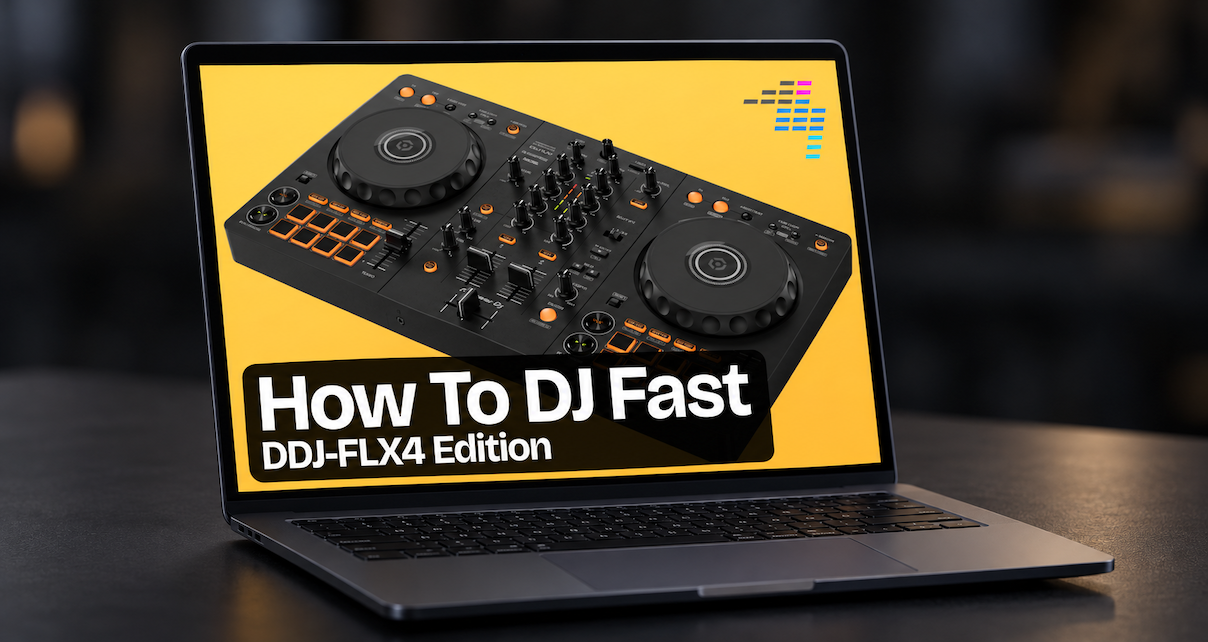
- Pioneer DJ DDJ-FLX4Beginners · £249
- Pioneer DJ HDJ-X7Club booths · £139
- KRK Rokit RP5 G4Bedroom studios · £179 each
- SanDisk Ultra Fit 128GB USB 3.2CDJ / XDJ exports · £16
Buying guides: DJ controllers compared · DJ headphones compared
Source: https://www.facebook.com/groups/perthdnb/posts/10164125258374380/