ADE 2026 Adds 1,500+ Artists for 30 Years
By SoundStash · 2026-09-02 · 6 min read
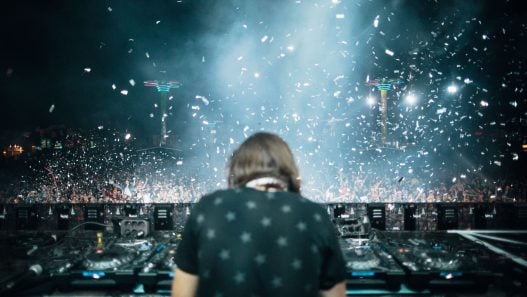
Amsterdam Dance Event has made its biggest statement yet for 2026, unveiling a second wave that pushes the 30th anniversary edition past 1,500 confirmed artists and DJs. Taking place from 21-25 October, ADE 2026 is shaping up as both a city-wide club marathon and a snapshot of where electronic music culture is heading next.
The new additions span techno, house, melodic, electro, live electronics and multidisciplinary performance, with names including Eric Prydz, Ben Klock, Âme, HAAi, DJ Stingray 313, Miss Monique, Maceo Plex, Max Cooper, CARISTA, Todd Terry and Paul Kalkbrenner. But the real story is not just the size of the lineup; it is how ADE is using its anniversary year to blur the line between festival, conference, art biennial and future-facing industry summit.
For fans, artists and music professionals, this second wave confirms ADE’s status as the annual meeting point for global dance music. For the wider scene, it suggests that electronic music’s next chapter will be less about one dominant sound and more about collisions: club heritage with immersive art, underground selectors with arena-scale producers, and nightlife with serious cultural infrastructure.
ADE 2026 second wave: why it matters
The scale of Amsterdam Dance Event has always been part of its appeal, but passing 1,500 artists this early in the rollout is a major marker for the 30th anniversary edition. ADE is not simply adding more names for spectacle; it is building a map of the electronic music ecosystem, from basement techno to grand-format audiovisual performances.
The second wave is especially strong because it avoids leaning on one trend. Eric Prydz brings the big-room, high-production melodic universe; Ben Klock and DJ Stingray 313 point toward techno’s purist and electro-rooted foundations; HAAi, BASHKKA, CARISTA and Narciss represent a more fluid, contemporary club language; while Max Cooper and Colin Benders sit closer to the live electronic and experimental edge.
That breadth is important in 2026. Dance music is no longer moving in one straight line from underground to mainstream. Instead, audiences are splitting into highly specific communities, and ADE’s anniversary lineup appears designed to connect those scenes without flattening them.
A 30th anniversary built beyond the club
The most interesting part of ADE 2026 is how much of the programme reaches outside traditional nightlife. Alongside club shows and DJ sets, this edition includes major art-led projects, immersive concerts and cross-disciplinary performances that frame electronic music as a cultural force rather than just weekend entertainment.
Boris Acket’s large-scale installation EINDER, the return of Dome Concerts at ARTIS Planetarium, and new programming at Fabrique des Lumières point to ADE’s growing interest in spatial sound, visual architecture and sensory performance. These are not side attractions; they reflect a wider shift in electronic music where the live experience is increasingly judged by environment, narrative and design.
The opening collaboration involving Swan Lake Remixed for ADE also signals that institutional arts spaces are no longer treating club culture as an outsider. For an anniversary edition, that feels symbolic: ADE is celebrating 30 years of dance music while showing how far the form can travel when it meets ballet, installation art and immersive technology.
The lineup shows electronic music’s new centre of gravity
A lineup that can place Todd Terry, Kittin & The Hacker, Âme, Scooter, Hunee, Miss Monique and Paul Kalkbrenner under one city-wide banner says a lot about the state of the scene. Legacy is not being treated as nostalgia, and newer movements are not being presented as replacements. Instead, ADE is leaning into continuity.
That matters because many current dance music conversations are dominated by short-form clips, viral edits and fast-turnover releases. ADE’s programming is a reminder that the strongest scenes are built through longer timelines: labels, parties, residencies, collectives, visual artists, production communities and international exchange.
Amsterdam’s advantage is that it can host these conversations at every scale. A fan might see a high-impact Prydz show one night, a heads-down electro session the next, and a conceptual Max Cooper performance after that. For artists and industry professionals, that same variety creates a rare opportunity to read the room across genres in real time.
What fans should watch before tickets move
If you are planning to attend ADE 2026, the second wave is the moment to start thinking strategically. With five days of programming spread across Amsterdam, the biggest challenge is not finding something good; it is avoiding schedule overload. Prioritise a few must-see artists, then leave space for label showcases, smaller rooms and unexpected back-to-back sets.
Fans of melodic techno and progressive sounds should keep an eye on Eric Prydz, Miss Monique, Maceo Plex and Paul Kalkbrenner-related programming. Techno and electro heads will likely gravitate toward Ben Klock, DJ Stingray 313, Kittin & The Hacker and the harder club-focused additions. For listeners interested in live electronic performance, Max Cooper, Colin Benders and the Dome Concerts programme could be among the defining experiences of the week.
Accommodation is another practical consideration. ADE turns Amsterdam into a global music hub, and anniversary-year demand is likely to be intense. If the 30th edition is on your radar, it is worth treating travel planning with the same urgency as ticket buying.
Why ADE still sets the agenda for dance music
ADE’s power comes from the fact that it is both public-facing and industry-facing. During the day, it functions as a business and ideas gathering for labels, managers, promoters, technology companies and artists. At night, those conversations spill into clubs, warehouses, theatres and unusual cultural spaces.
That mix gives ADE a unique influence. Trends that might look fragmented online become easier to understand when thousands of artists and professionals are in the same city. You can see which sounds are gaining international traction, which live formats are evolving, and which parts of the industry are becoming more ambitious.
The 2026 second wave suggests that ADE’s 30th year will not be a victory lap. It looks more like a reset point: a celebration of electronic music’s history, yes, but also a serious attempt to define what the next decade of club culture, audiovisual performance and global dance music business might look like.
Recommended Gear & Products
See the full gear guideAffiliate links — we may earn a small commission at no extra cost to you.
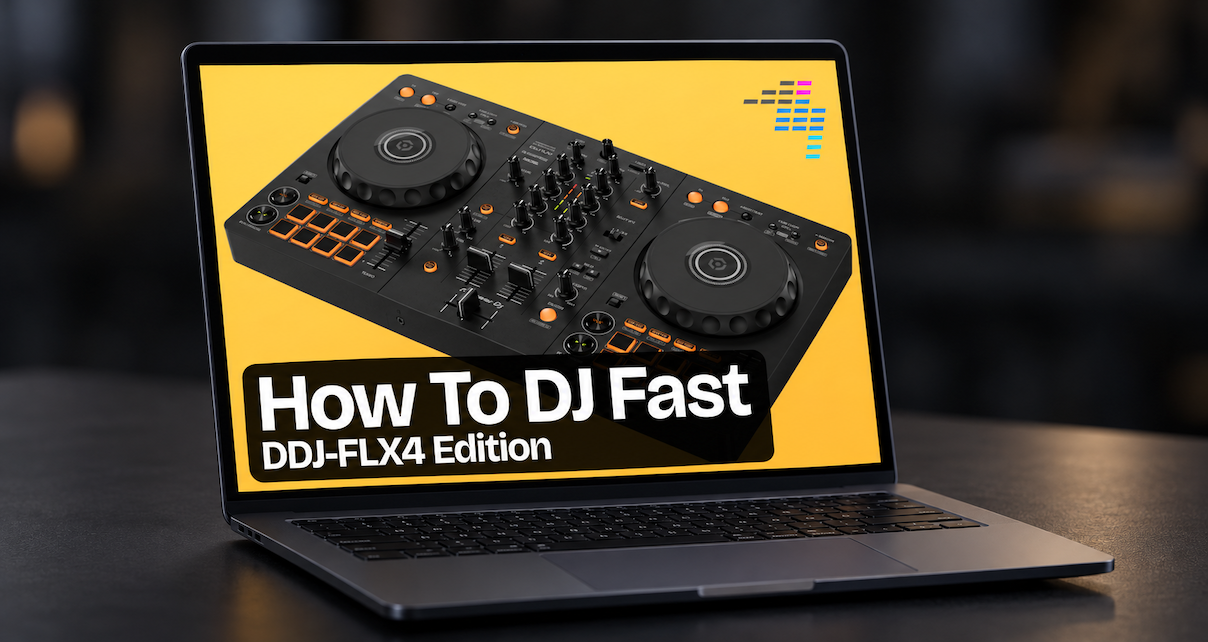
- Pioneer DJ DDJ-FLX4Beginners · £249
- Pioneer DJ HDJ-X7Club booths · £139
- KRK Rokit RP5 G4Bedroom studios · £179 each
- SanDisk Ultra Fit 128GB USB 3.2CDJ / XDJ exports · £16
Buying guides: DJ controllers compared · DJ headphones compared